Choose cat food first as staple food
Complete and balanced cat food and water are the basis of every day. Cooked chicken, cooked fish and some fruits and vegetables can be given in small amounts, but they cannot replace staple foods.
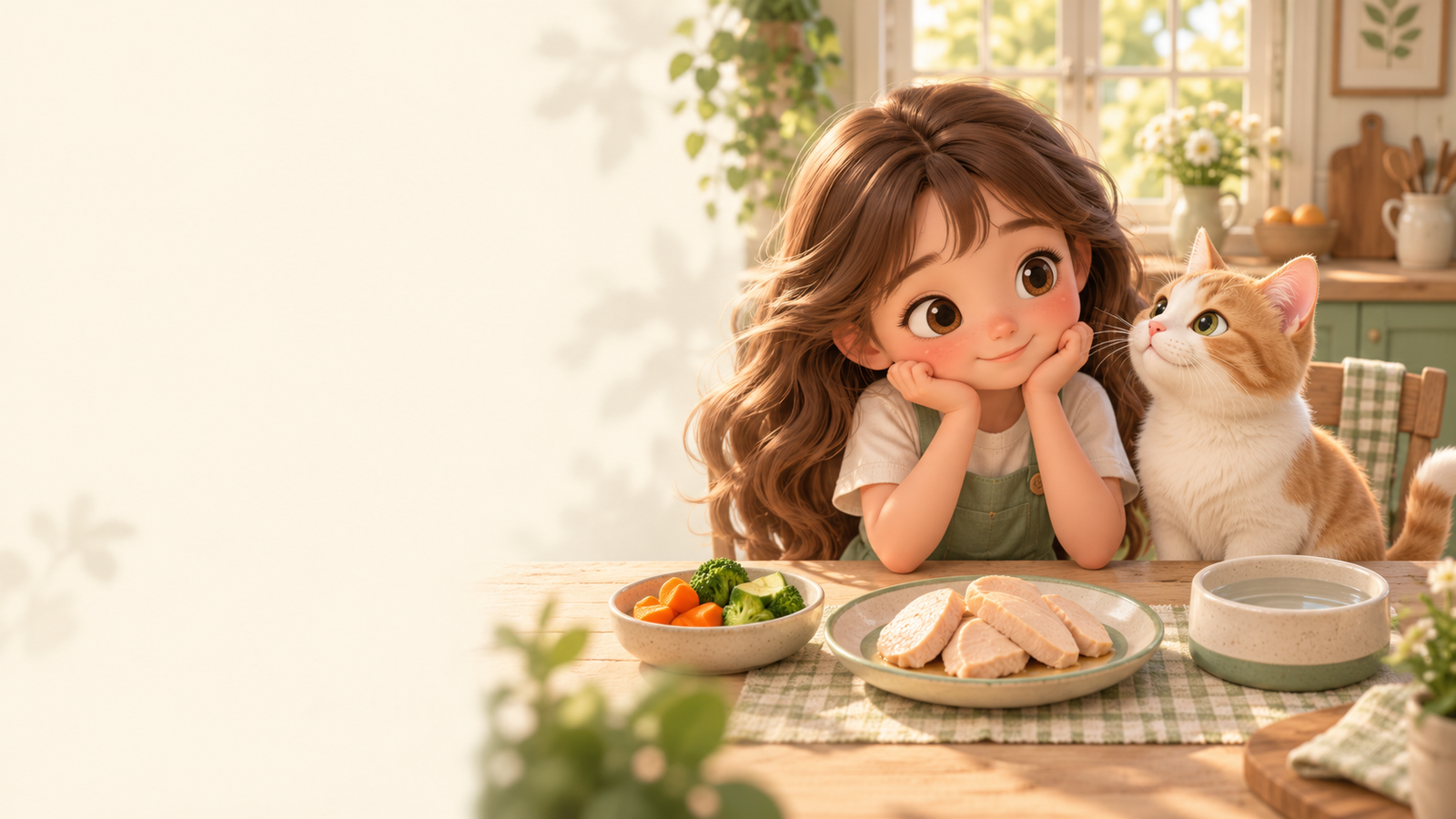
Check the food first and then see how to deal with it. The following takes a generally healthy adult cat as an example.
Complete and balanced cat food and water are the basis of every day. Cooked chicken, cooked fish and some fruits and vegetables can be given in small amounts, but they cannot replace staple foods.
Onions, garlic, chocolate, caffeine and alcohol cannot be fed. Also put away grapes, raisins and sugar-free foods first; if ingested, consult your veterinarian.
Confirm the ingredients and cooking method first, then give a small amount and observe. For kittens, older cats, sick cats, or cats on prescription feeds, ask your veterinarian first.
Not included does not mean it is safe. Ask your veterinarian first before feeding.
Take care of complete cat food and water first; give other foods in small amounts according to each condition.
The daily basis is complete cat food and clean water.
Select the complete staple food that is suitable for the cat's current life stage; both dry and wet forms can be selected according to individual needs.
Clean water is always available; milk is not a substitute for water.
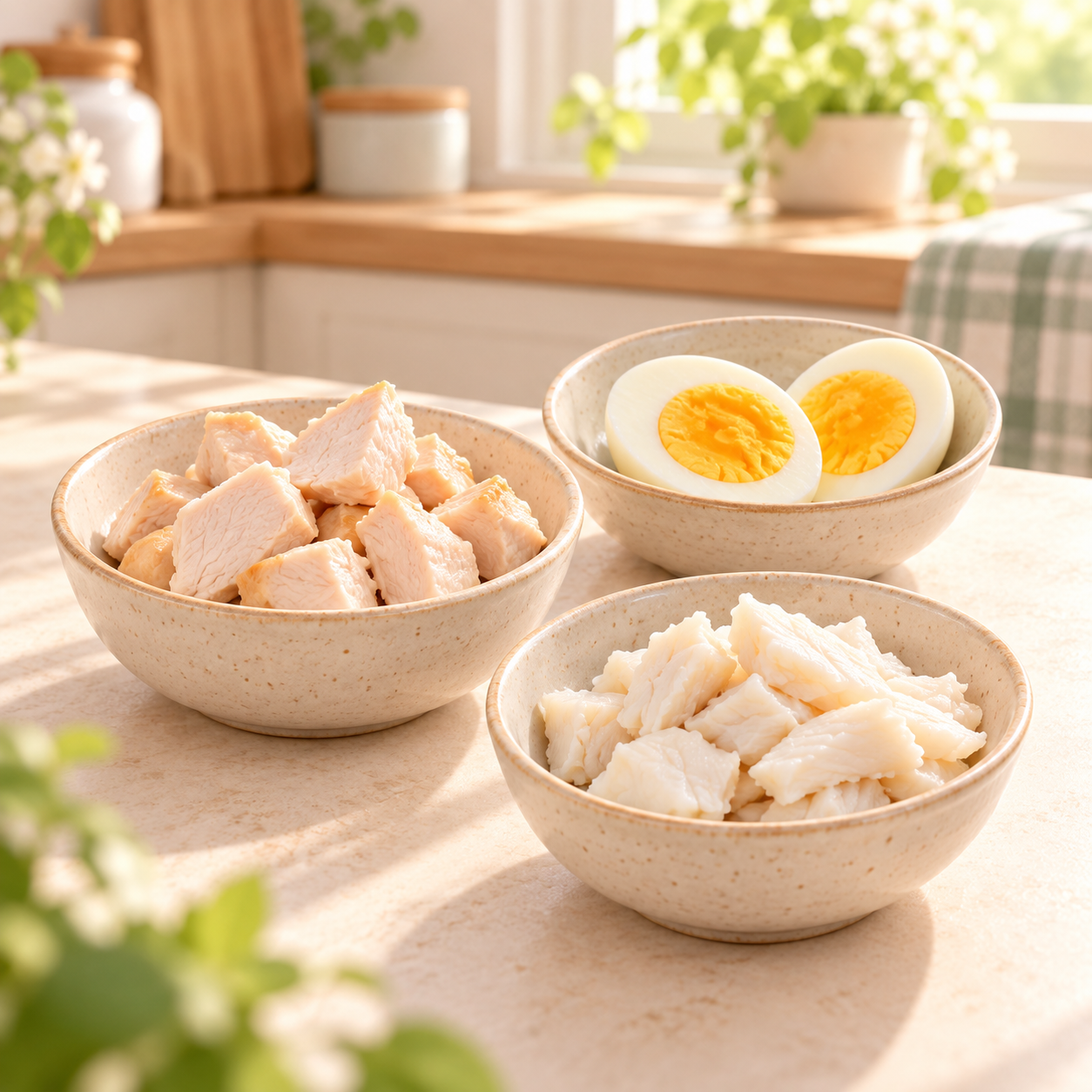
Cooked, boned and dethorned, not seasoned; only used as a small snack.
Cooked, boneless and skinless, without salt and seasoning, cut into small pieces; you cannot feed only chicken for a long time.
Cooked, boneless and skinless, without sauce or spices.
Cooked, boneless, excess fat removed, unseasoned; individual cats may be intolerant to protein sources.
Cooked, carefully deboned, no seasoning; only a snack, not a single staple food.
Cook, debone and unseasoned, in small amounts; do not substitute smoked or salted fish.
Make sure it is soaked in clear water, no salt and no seasoning, and check the fish bones; it is not a complete cat staple food.
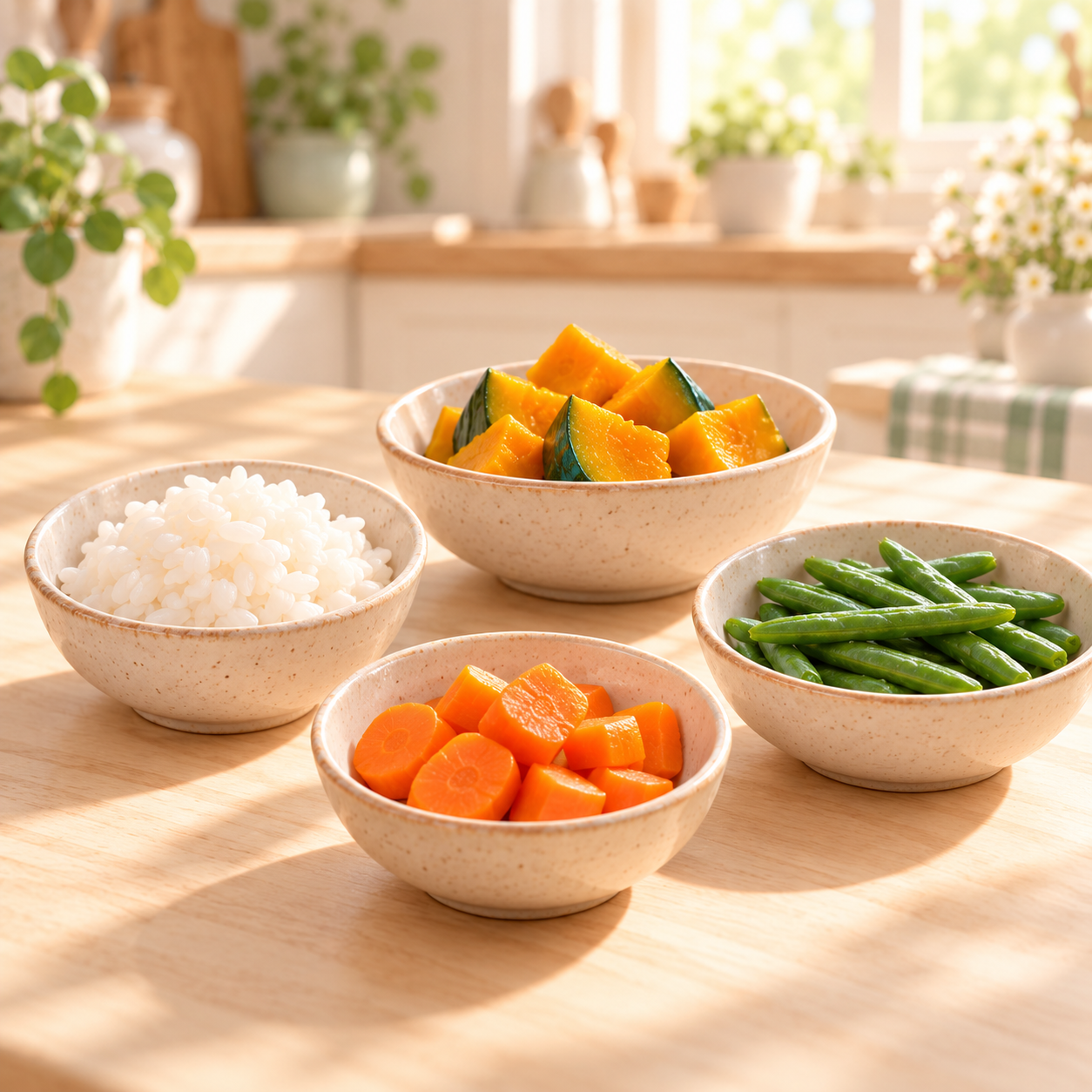
Cats do not need to rely on vegetables to supplement their staple food nutrition; follow each treatment when they want to.
Wash and cut into small pieces; can be boiled until soft and not seasoned. Cats do not need to rely on vegetables to supplement their staple food nutrients.
Original, cut into small pieces; do not mistake pumpkin pie fillings with added sugar or spices for pumpkin.
Cook until soft and cut into small pieces; PDSA warns that eating more may be uncomfortable.
Cut into small pieces that are easy to swallow. If it is hard, boil it until soft.
Original, cut into small pieces or pressed until soft, no salt added.
Cooked, cut into small pieces, without salt, butter or sauce.
Give only a small amount of plain corn kernels; corn stalks pose a risk of obstruction.
Cats Protection is listed as a vegetable that can be fed, but is not a necessity; ask your veterinarian if you have a disease or prescribed diet.
Cooked, without butter, milk, salt and garlic; not recommended as a regular snack.
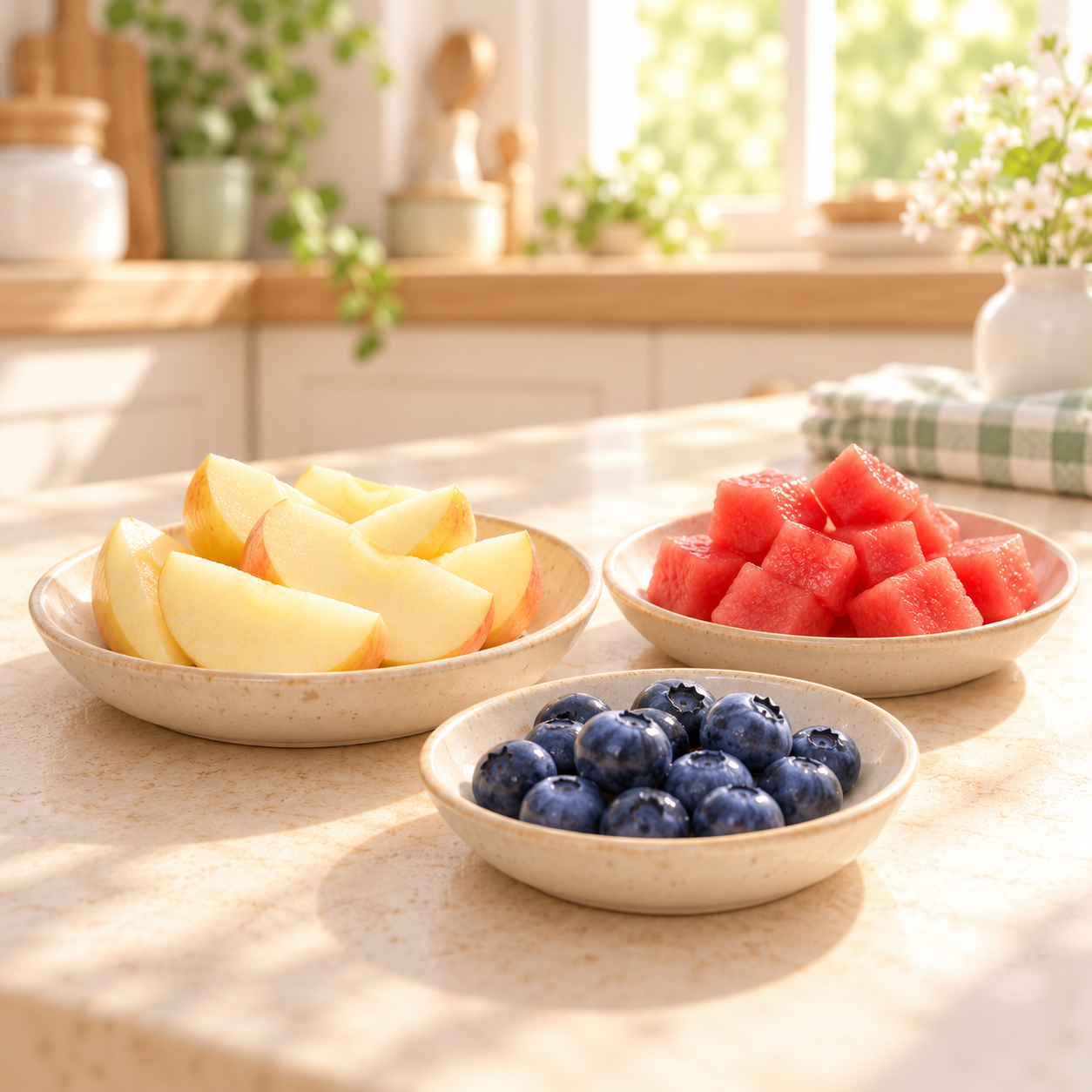
Remove seeds and cores from fruits; all snacks are included in the daily intake.
Cut a small amount into small pieces and count them as snacks of the day.
Wash and cut into sizes that are easy for the cat to swallow according to the size of the cat.
Remove seeds, peel and cut into small pieces.
See if the product is a supplementary snack, and the deduction will be based on the daily food intake; the cat's staple food must still be complete and balanced.
Some are poisonous, and some may choke or hurt the stomach.
Avoid raw, cooked and dry powder; they may harm red blood cells.
Avoid all forms, and the risk cannot be eliminated by cooking.
Check the ingredients of soups, sauces, meat fillings, and seasoning powders containing allium ingredients.
Theobromine and caffeine can cause serious symptoms; you need to be more vigilant about dark chocolate and baked cocoa.
Caffeine-containing beverages and foods should be avoided.
Alcohol, alcohol-filled candy, and uncooked food with alcohol removed are not allowed to cats.
Can expand in the body and produce alcohol. It is an accidental ingestion that requires urgent consultation with a veterinarian.
Do not let cats dig through food scraps, garbage or compost.
It is difficult to identify poisonous species by appearance; if ingested by mistake, contact your veterinarian first and keep photos or samples.
Cooked bones may break; raw bones also carry risks of choking, tooth damage, bacteria and obstruction.
Pathogen and parasite risks; raw poultry meat, milk, and eggs that have not been effectively processed also carry the risk of avian influenza.
Even if the pulp is edible, remove the seeds and core; hard cores and corn stalks can cause choking or intestinal obstruction.
Different from ripe pulp; tomato plants and unripe fruits contain toxic components.
High in fat and salt, often containing onions, garlic or other seasonings; not suitable as cat snacks.
High fat may cause gastrointestinal discomfort; do not directly apply the specific symptoms of macadamia beans in dogs to cats.
The answers may be different depending on the ingredients, preparation and portion size of the same food.
Eating a small amount by mistake usually does not mean acute poisoning; long-term feeding of canned food for people will cause imbalance, and may also contain high salt or mercury.
Most adult cats have difficulty digesting lactose and may have diarrhea; choose clean water for drinking.
It is not necessarily a poison in itself, but the lactose, fat and salt may make cats uncomfortable.
Even if it is labeled lactose-free, it still has extra calories and cannot replace water or complete staple foods.
Eating it occasionally does not mean acute poisoning, but it does mean a long-term lack of nutrients that cats need.
Only chicken, fish or beef will lack complete nutrition; homemade long-term staple food requires a veterinary nutritional formula.
PDSA and others recommend not feeding; ASPCA and Merck indicate that the main confirmed cases are in dogs, and there is limited evidence for cats. If swallowed by mistake, consult your veterinarian first.
Do not treat sugar-free chewing gum, toothpaste, etc. as food; the ASPCA states that cats do not have the known severe hypoglycemic reaction of dogs, but the product may have other risks.
Different institutions describe the risks differently; the pulp is high in fat, the core may be clogged, and guacamole often contains onions and garlic.
The ASPCA believes that ripe fruits are not toxic; tomato plants and green tomatoes carry additional risks. Cooking tomatoes often contain salt and onions and garlic.
ASPCA believes that common edible mushrooms are generally harmless; wild mushrooms are difficult to identify and can cause serious poisoning.
No need. Being able to eat certain vegetables in small amounts does not mean that you need to rely on vegetables for nutritional supplements; the focus is still on a complete and balanced staple food suitable for cats.
Don’t just rely on chicken breast. It can be an unflavored snack, but eating it alone for a long time will be unbalanced.
Not recommended. Canned tuna for humans is not a complete cat staple food, and may also be high in salt; the fish must be cooked and deboned.
No. Adult cats often have lactose intolerance, so drinking water should be given; feeding special kittens should be guided by a veterinarian.
Confirm the ingredients and seasoning first, then give a very small amount and observe. If there is vomiting, diarrhea, or mental deterioration, stop feeding and ask your veterinarian; if you have any illness or prescription diet, ask your veterinarian first.
First clarify the reasons for not eating. Cats that continue to refuse to eat may quickly develop health problems; don't delay medical attention just by changing tastes.
Take away the remaining food, write down the product name, ingredients, amount, time and the cat's condition, and contact the veterinarian or animal emergency department immediately; do not induce vomiting or instill salt water on your own.
Data compilation: 2026-10-01. For kittens, older cats, sick cats, or cats on prescription feeds, ask your veterinarian first.